
Diagnostic Value of Menstrual Blood Lipidomics in Endometriosis: A Pilot Study
Starodubtseva N, Chagovets V, Tokareva A, et al.Biomolecules · 2024DOI 10.3390/biom14080899
In plain language
Lipidomics on dried menstrual blood spots from 23 women with endometriosis and 16 controls, using HPLC mass spectrometry. Samples were collected in clinic with a speculum onto a blood spot form. Specific lipids, including a plasmenyl phosphatidylethanolamine and a cardiolipin, separated the groups, and a two-lipid model reached 81% sensitivity and 85% specificity in internal cross-validation.
Key numbers
- 23 vs 16
- Women with endometriosis versus controls
- 81%
- Sensitivity of the two-lipid model, internal cross-validation
- 85%
- Specificity of the two-lipid model, internal cross-validation
What it means
Lipids in dried menstrual blood spots differed in a disease that takes years and surgery to diagnose. It is a small pilot with only internal cross-validation and clinic-collected samples, so it shows potential, not a test.
What it does not show
Thirty-nine women in one Moscow center, speculum-assisted collection, case-control design and no external validation set; the 81% and 85% are not real-world diagnostic accuracy.
Figures
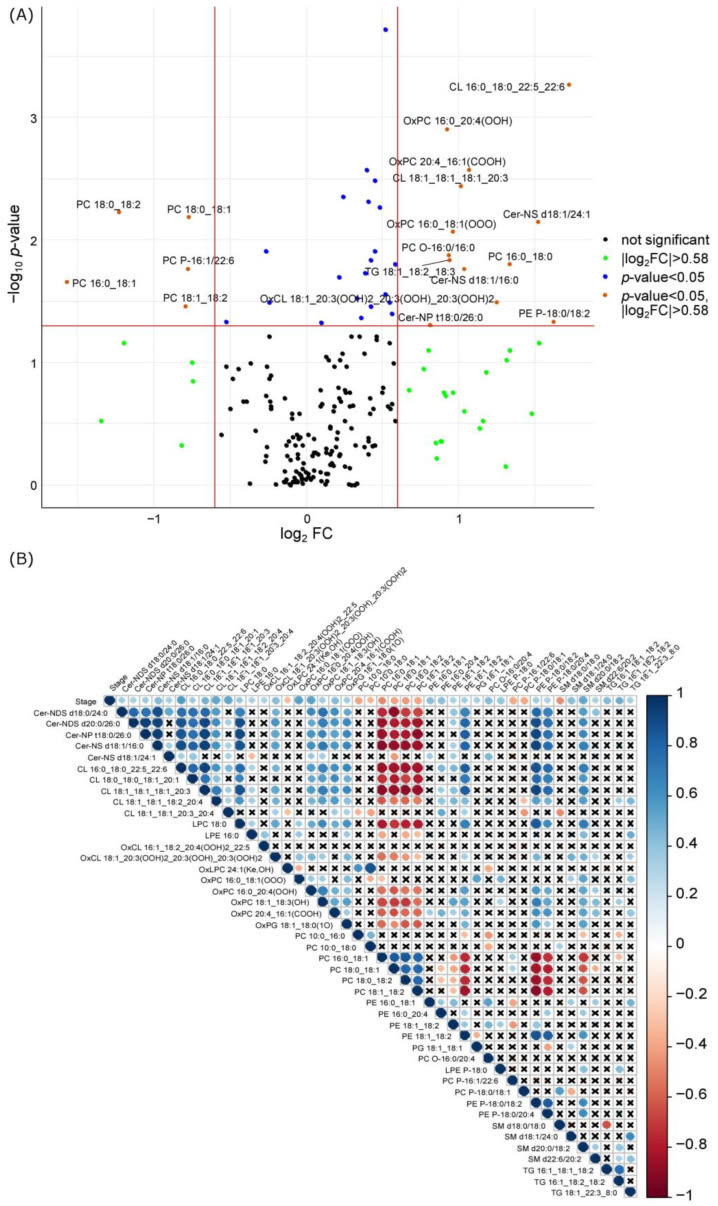
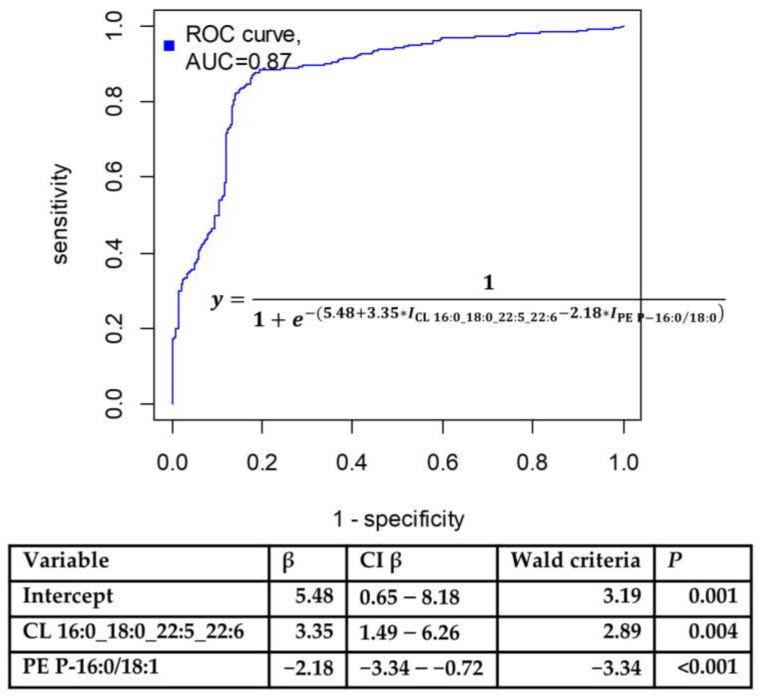
Figures reproduced unchanged from Starodubtseva N et al., Biomolecules, 2024, under CC BY 4.0. Captions written by Qvin.
How to cite
Starodubtseva N, Chagovets V, Tokareva A, Dumanovskaya M, Kukaev E, Novoselova A, et al. Diagnostic Value of Menstrual Blood Lipidomics in Endometriosis: A Pilot Study. Biomolecules. 2024;14(8):899. doi:10.3390/biom14080899