
Analysis of menstrual effluent: diagnostic potential for endometriosis
Warren LA, Shih A, Renteira SM, et al.Molecular Medicine · 2018DOI 10.1186/s10020-018-0009-6
In plain language
Menstrual effluent collected with a menstrual cup from women with and without endometriosis was analyzed by flow cytometry, and stromal fibroblast cells were cultured from it. Endometriosis samples had fewer uterine NK cells, and their cultured cells showed reduced decidualization and distinct gene expression, in small groups (7 per group for the decidualization assay). The authors propose menstrual effluent as a route toward non-invasive diagnostics.
What it means
Menstrual effluent can carry functional cell differences linked to endometriosis. This work used fresh, live cells, which a dried sample cannot provide.
What it does not show
Small groups (3 to 14 women per analysis), fresh cup-collected effluent and cell culture; it is mechanism research, not a diagnostic test, and cannot be done on a dried sample.
Figures
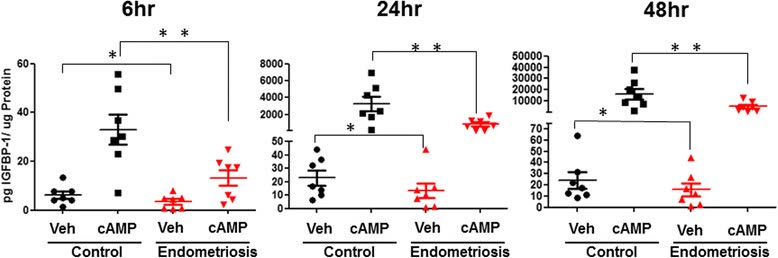
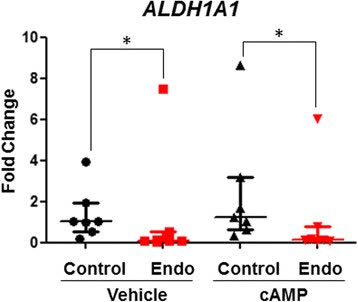
Figures reproduced unchanged from Warren LA et al., Molecular Medicine, 2018, under CC BY 4.0. Captions written by Qvin.
How to cite
Warren LA, Shih A, Renteira SM, Seckin T, Blau B, Simpfendorfer K, et al. Analysis of menstrual effluent: diagnostic potential for endometriosis. Molecular Medicine. 2018;24(1):1. doi:10.1186/s10020-018-0009-6